Here’s a stat that says a lot about where VR gaming is heading. Meta says Quest in-app purchases now bring in more money on its store than paid games do. It’s the first time that’s happened. The figure comes from a Meta developer blog post covering January to September 2026. So what does it actually mean for those of us who just want to buy good games and play them?
What Meta actually said
The post was written by Chris Pruett, Meta’s director of games, and published on the Meta Horizon developer blog. It’s aimed at studios, but there’s plenty in it for players too.
Here are the main points:
- Store revenue from January to September 2026 was steady compared with the same months of 2025.
- That happened without a new headset. The newest Quest is still the Quest 3S from 2024.
- For the first time, in-app purchases passed premium app sales as the biggest source of revenue on the Meta Store.
- Each of the top 50 apps made more than $1 million after store fees in those nine months.
- There were 12 major new hits in the last 12 months, including HERO x HERO.
- Among developers in Meta Horizon+, 80% now earn more from the subscription than from the store.
One thing Meta didn’t share is a total. Pruett only says developers “took home hundreds of millions of dollars”. As VR.org points out, there’s also no full top 50 list, just examples.
What counts as Quest in-app purchases?
In plain terms, it’s anything you buy inside a game after you’ve got it. That could be skins, coins, gems, battle passes, extra levels or bundles. Many of these games are free to download, and the money comes later.
Meta uses the word “premium” for games you pay for upfront. UploadVR explains that Meta generally calls any game that isn’t free-to-play a premium title. So the headline is really about free-to-play games and add-ons overtaking old-fashioned paid games.
Paid games can have in-app purchases too, of course. For example, iB Cricket has gems as its in-game currency. You can earn them by playing, and you can also buy them with real money. I’ve written a guide on how to get gems in iB Cricket without spending.
Which games are making the money?
Pruett splits the top 50 into rough groups. The first is social and competitive multiplayer games. He names HERO x HERO, UG, Gorilla Tag, I Am Cat, ROBLOX, Animal Company, Scary Baboon, Yeeps and Beyond Sandbox. These “overwhelmingly monetize with IAP”, in his words.
Scary Baboon being in there caught my eye. Silly horror games clearly do well on Quest. That fits with how many people find my Scary Hot Dogs VR guide.
The second group earns mostly from paid sales. It includes FitXR, GOLF+, PokerStars: Vegas Infinite, Virtual Desktop and WIN Reality Baseball. TRIPP, Real VR Fishing, Walkabout Mini Golf and Dungeons of Eternity sit there too. Meta adds that fitness titles have historically done well with subscriptions.
The third group is what Pruett calls “cross-over” titles. These include BONELAB, Blade & Sorcery: Nomad, Green Hell and Five Nights at Freddy’s: Help Wanted. Military shooters like Breachers, Pavlov Shack and Ghosts of Tabor also make the list.
Good news for VR sports fans
This is the bit I find most encouraging. Golf, baseball, fishing, mini golf and fitness all made Meta’s top 50. That’s proof that sports and fitness apps can earn serious money on Quest, even next to the big social games.
No cricket game was named, sadly. But the fact that GOLF+ and WIN Reality Baseball are up there should give cricket developers some hope. People clearly pay for realistic sports in VR. If you want to see what’s out there for cricket, here’s my list of every VR cricket game on Quest 3. There’s more in my VR sports and fitness hub too.
Why paid VR games are under pressure
UploadVR’s analysis makes the point bluntly. The trend towards social, microtransaction-heavy games has been visible for years. Gorilla Tag passed Beat Saber in user ratings way back in 2022.
It also notes that Meta has stepped away from most of its own premium game studios. Ready At Dawn, Armature Studio, Twisted Pixel and Sanzaru Games were all shut down. According to UploadVR, only Resident Evil 4 from Meta’s big first-party releases was in the top seller list when it checked.
Studios are reacting in different ways. Some premium developers have tried free-to-play projects. Others have turned paid games into free ones, including Vail, Hyper Dash, Zenith: Nexus and Population One. Meanwhile, some studios are sticking with paid games.
Horizon+ is becoming a big deal
The subscription numbers are probably the biggest change. For developers in the Horizon+ programme, the median revenue mix is over 70% from the subscription. Some get more than 90% of their money from it.
That explains why more games are launching straight into Horizon+. PAYDAY: Aces High did it, with cosmetics and bundles on sale too. Its roadmap also promises that future heists will be free. There’s also a rumour that Horizon+ could be renamed and get 3D films, which I covered in my Meta VR Plus explainer.
What it means for Quest players
So should you be worried? Not really, but it’s worth going in with your eyes open. Here’s how I see it.
- Expect more free games. Free-to-play launches like Fading Light are likely to keep coming.
- Check what’s actually free. “Free” often means free to start, with a shop or battle pass later.
- Parents should keep an eye on spending. Many of the top earners are social games aimed at teens and young adults, as Meta itself notes.
- Paid games aren’t dead. Several sports titles in Meta’s top 50 still earn mostly from upfront sales.
- Subscriptions matter more. If a game you want is in Horizon+, that may be the cheaper way to try it.
One more caveat. These are Meta’s own figures, chosen by Meta for a developer audience. There’s no outside audit, and the top 50 isn’t published in full. So treat them as a useful snapshot rather than the whole picture.
What Meta expects next
Pruett says the winter holidays are always the busiest and most profitable time for the store. Meta expects results to rise further into the new year.
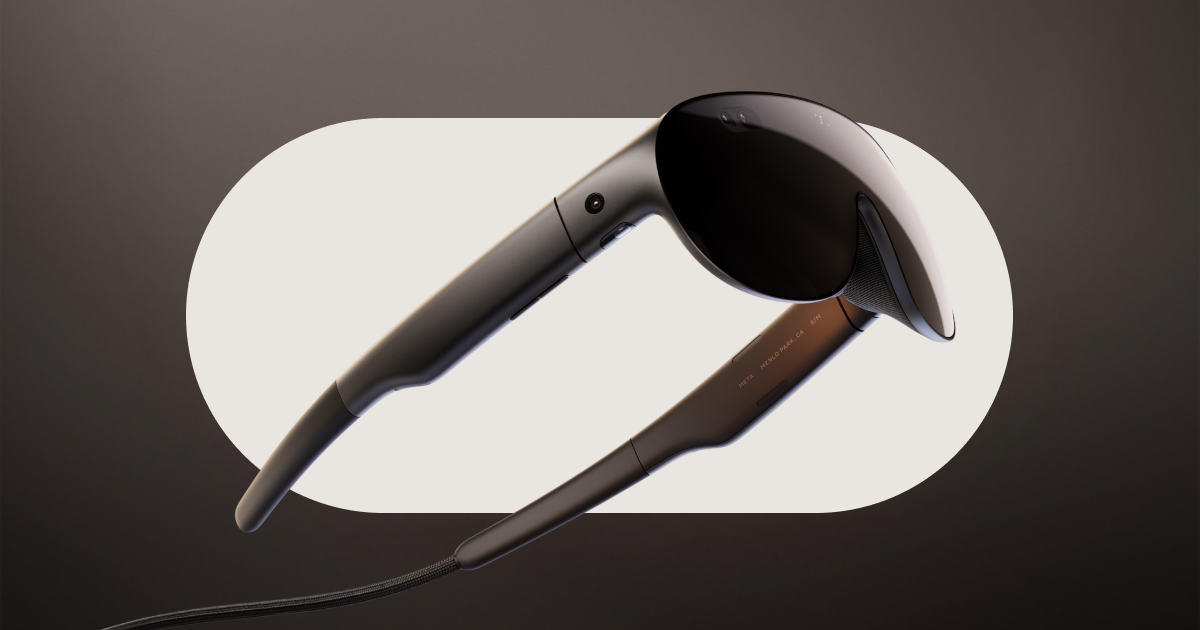
After that, the big moment is Meta VR Glasses in spring 2027. PC Guide reports a $1,299 price. Meta expects buyers to focus more on films and TV than games. It thinks those who do play will want seated, hands-first games that are “challenging to master but not to play”.
For Quest owners, the message is reassuring. Pruett says Quest 3 is the baseline for existing audiences, and Quest 3 and 3S players will “continue to be active and vibrant”. Quest 2 is a different story, as Meta has already set an end of feature development timeline. I’ve explained what the Quest 2 end of support means for cricket players.
Meta also says it had over $120 million committed to third-party games in active development as of 1 October 2026. That’s a decent sign that new games are still on the way.
Whether you go for free games, Horizon+ or paid titles, you can still use my promo code VRCGUY on paid games on the Meta Store. It’s my own code, and every use helps keep this site going.
FAQs
Do in-app purchases now make more money than paid Quest games?
Yes, according to Meta. Based on January to September 2026 revenue, in-app purchases passed premium app sales on the Meta Store for the first time.
Which sports games are in Meta’s top 50?
Meta named FitXR, GOLF+, WIN Reality Baseball, Real VR Fishing and Walkabout Mini Golf. It didn’t publish the full list.
Did Meta say how much money Quest games made?
No exact total. It said developers took home hundreds of millions of dollars, and each top 50 app made over $1 million after fees.
Sources
- Meta Horizon developer blog: What to Expect from the Meta VR Ecosystem this Holiday Season and Beyond
- UploadVR: Quest In-App Purchases Now Bring More Revenue Than Paid Apps
- VR.org: Meta Says In-App Purchases Out-Earned Premium Quest Sales
- PC Guide: Meta says the next 12 months will be extremely exciting for VR
- Meta: Quest 2 and Quest Pro end of feature development